MICHIGAN
Michigan SOS Permit Test Cheat Sheet 2026 — Free Download
Preparing for your Michigan driver's license exam requires focused study and a clear understanding of the specific rules that govern our roads. The Michigan permit test consists of 25 multiple-choice questions, and you must achieve a passing score of 80%, which means getting 20 of 25 correct. The exam covers essential topics including traffic laws, road signs, right-of-way rules, and strict alcohol and drug regulations. By mastering these core areas, you can confidently navigate the testing center and begin your journey as a licensed driver in the Great Lakes State.
Reviewed by Stephen J. Ronan, MD
Last verified:
What's on the Michigan permit test cheat sheet
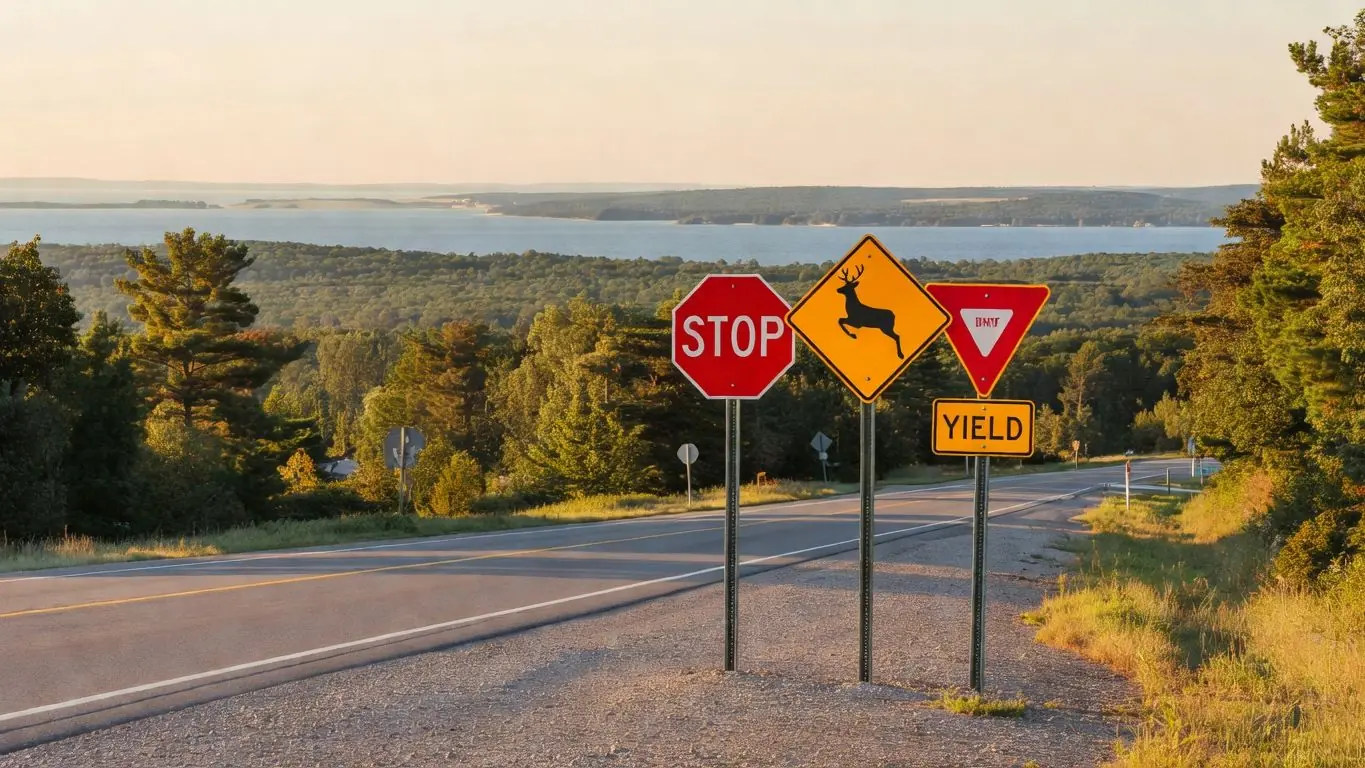
A comprehensive cheat sheet serves as your primary study tool, condensing the vast Michigan Driver's Handbook into actionable facts. This resource breaks down complex traffic laws into easy-to-remember bullet points, ensuring you understand the nuances of right-of-way at intersections, the meaning of every road sign, and the specific penalties for driving under the influence. The cheat sheet highlights critical statistics and legal thresholds that frequently appear on the exam, such as the legal blood alcohol concentration limits and the consequences of failing to yield. It also provides visual descriptions of road signs, helping you recognize shapes and colors instantly, which is crucial for the multiple-choice format where you must identify signs based on their appearance or meaning.
Loading a practice question…
How to use the cheat sheet for your final study session
Effective study sessions rely on active recall rather than passive reading. To maximize your preparation, use the cheat sheet to quiz yourself on the 25-question format. Read a question from the sheet, cover the answer, and attempt to recall the correct response before checking. Focus heavily on the sections regarding alcohol and drug rules, as these are non-negotiable safety laws with severe legal implications. Additionally, simulate the test environment by timing yourself to answer 20 out of 25 questions correctly within a reasonable timeframe. This practice builds the mental endurance needed for the actual exam. Review the cheat sheet repeatedly in the days leading up to your test, paying special attention to the right-of-way scenarios, as these are often the most confusing parts of the test for new drivers.
Top 10 most-missed questions in Michigan
Many applicants stumble on specific concepts that are frequently tested but easily misunderstood. The top 10 most-missed questions often revolve around the hierarchy of right-of-way, the exact distance required to stop for a school bus, and the specific penalties for first-time OWI offenses. Other common pitfalls include identifying the correct action when approaching a flashing yellow light versus a flashing red light, understanding the rules for turning on red, and knowing the precise speed limits in school zones and construction areas. The cheat sheet addresses these tricky areas by providing clear, unambiguous answers that cut through the confusion. By reviewing these specific topics, you can avoid the common traps that cause many drivers to fall below the required 80% passing score.
FAQ
Q: How many questions are on the Michigan permit test?
A: The Michigan permit test consists of exactly 25 multiple-choice questions.
Q: What is the passing score for the Michigan permit test?
A: You must achieve a passing score of 80%, which means getting 20 of 25 correct.
Q: What topics are covered on the exam?
A: The exam covers traffic laws, road signs, right-of-way rules, and alcohol and drug regulations.
Q: Can I use a cheat sheet during the actual test?
A: No, you cannot use any study materials during the actual test; the cheat sheet is strictly for preparation.
Q: What happens if I fail the permit test?
A: If you fail, you must wait a specific period before retaking the exam, and you should review the cheat sheet again to address your weak areas.