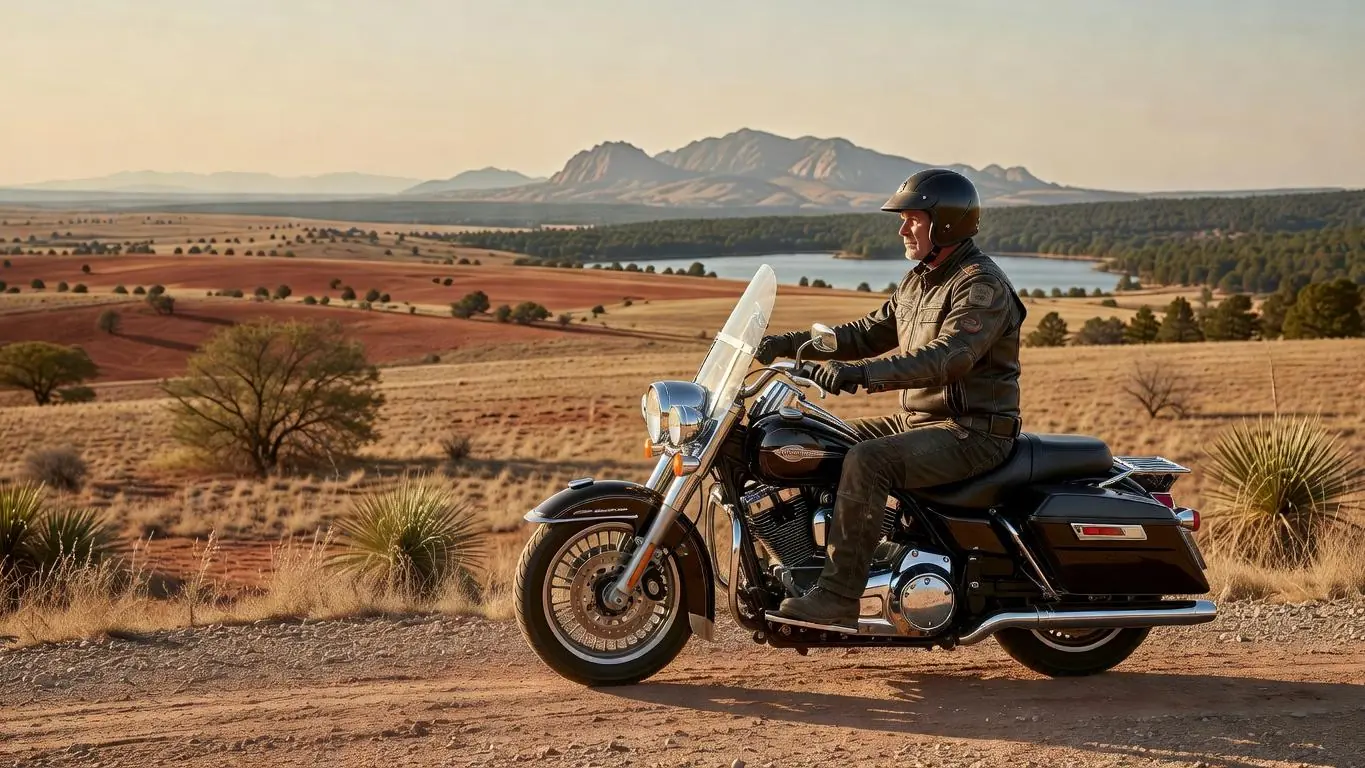
To obtain a motorcycle permit in Oklahoma, you must pass a written knowledge test consisting of 25 multiple-choice questions, achieving a passing score of at least 20 correct answers (80%). The minimum age to apply is 16 years old. Once issued, the permit is valid for 365 days, during which you must complete a mandatory skills test to upgrade to a full motorcycle endorsement.
What's on the Oklahoma motorcycle test
The Oklahoma motorcycle knowledge test is designed to evaluate your understanding of safe riding practices, traffic laws specific to two-wheeled vehicles, and hazard recognition. The examination format consists of exactly 25 multiple-choice questions. These questions are drawn directly from the state's motorcycle operator manual and cover a broad spectrum of critical topics. Candidates can expect inquiries regarding right-of-way rules, proper signaling techniques, and the specific legal requirements for operating a motorcycle on public roadways.
Beyond basic traffic laws, a significant portion of the test focuses on vehicle control and safety strategies. You will be tested on how to handle various road conditions, such as wet pavement, gravel, or uneven surfaces. The exam also assesses your knowledge of protective gear, including the legal requirements for helmets and eye protection in Oklahoma. Furthermore, the test evaluates your ability to identify potential hazards, understand the limitations of motorcycle braking systems, and execute proper turning and lane-changing maneuvers. It is crucial to study the official handbook thoroughly, as the questions often present scenario-based situations that require you to apply theoretical knowledge to practical riding decisions.
Eligibility and permit duration
Before scheduling your examination, it is essential to verify that you meet the specific eligibility criteria set forth by the Oklahoma Department of Public Safety. The minimum age requirement to apply for a motorcycle permit in Oklahoma is 16 years old. Applicants under the age of 18 must typically have parental or guardian consent and may be subject to additional restrictions regarding riding hours or passenger carriage until they obtain their full endorsement.
Once you successfully pass the written knowledge test and pay the required fees, you will be issued a motorcycle learner's permit. This permit is valid for a period of 365 days from the date of issuance. This one-year window provides ample time for new riders to gain experience under the supervision of a licensed motorcyclist. However, it is important to note that the permit does not grant full riding privileges; it strictly allows you to practice riding under specific conditions. If you do not complete the required skills test and upgrade to a full endorsement within the 365-day validity period, you will likely need to restart the application process, including retaking the written examination. Therefore, managing your timeline effectively is a critical component of the licensing journey.
Required gear and helmet laws
Oklahoma has specific statutes governing the safety equipment required for motorcycle operators and passengers. While the state does not mandate that all riders wear helmets, there are strict conditions under which helmet use is compulsory. Specifically, riders under the age of 18 must wear a Department of Transportation (DOT) approved helmet. Additionally, any rider who does not possess a valid motorcycle endorsement or is operating under a learner's permit is legally required to wear a helmet. This regulation is strictly enforced to protect inexperienced riders who are statistically at higher risk of severe injury.
Beyond head protection, eye protection is a mandatory requirement for all motorcycle operators in Oklahoma, regardless of age or endorsement status. If your motorcycle is not equipped with a windscreen or windshield that provides adequate eye protection, you must wear goggles or a face shield that meets safety standards. The test will likely include questions regarding the proper fit and certification of these safety devices. Wearing appropriate protective gear is not only a legal obligation but a fundamental safety practice. The examination may also cover the benefits of wearing high-visibility clothing and protective boots, gloves, and jackets to minimize injury in the event of a crash. Understanding these laws is vital, as failure to comply can result in citations and, more importantly, increased vulnerability on the road.
From permit to Motorcycle endorsement endorsement
Holding a motorcycle permit is merely the first step toward becoming a fully licensed motorcyclist in Oklahoma. The transition from a permit to a full motorcycle endorsement requires the successful completion of a practical skills test. This hands-on evaluation is designed to demonstrate your ability to control the motorcycle safely in a controlled environment. The skills test typically includes maneuvers such as starting and stopping, turning, swerving, and braking at various speeds. Examiners will assess your balance, coordination, and ability to maintain a straight line while navigating obstacles.
To schedule the skills test, you must first hold your permit for the required duration and ensure you have practiced extensively. It is highly recommended that you take a Motorcycle Safety Foundation (MSF) course, as successful completion of such a course often waives the skills test requirement at the state level, streamlining the process. If you choose to take the state-administered skills test, you must provide a motorcycle that is in safe operating condition and appropriate for the test. Upon passing the skills test, you will return to the driver license office to pay the endorsement fee and have your license updated. This upgrade removes the restrictions associated with the permit, allowing you to carry passengers, ride at night, and operate on highways without supervision. The entire process is governed by the guidelines set forth by the American Association of Motor Vehicle Administrators (AAMVA), which emphasizes the importance of formal training and testing to reduce crash rates among new riders.
Common pitfalls
Many applicants fail the Oklahoma motorcycle permit test due to avoidable mistakes. One of the most common pitfalls is underestimating the importance of the handbook. The test questions are often phrased in a way that requires precise knowledge of the text rather than general intuition. Relying solely on prior driving experience with cars can be detrimental, as motorcycle dynamics and laws differ significantly. Another frequent error is neglecting to study the specific rules regarding lane positioning and hazard perception. Motorcycles have different blind spots and stopping distances compared to passenger vehicles, and failing to account for these differences on the test can lead to incorrect answers.
Additionally, candidates often overlook the details of the skills test requirements. Some riders assume that being able to ride a bike is sufficient to pass the skills evaluation, but the test demands specific maneuvers performed with precision. Anxiety and lack of preparation for the practical portion can lead to failure even if the written test is passed. It is also crucial to ensure that all documentation is in order before visiting the licensing office. Missing forms, expired identification, or failure to meet the minimum age requirement can result in a denied application. Finally, ignoring the 365-day validity period of the permit can force a rider to restart the entire process, causing unnecessary delays and expenses. Being aware of these potential pitfalls and preparing accordingly is essential for a smooth licensing experience.
How to study in 5 days
Preparing for the Oklahoma motorcycle permit test in just five days is achievable with a structured and disciplined study plan. The key is to focus on high-yield topics and utilize active recall techniques. On Day 1, read the entire motorcycle handbook from cover to cover. Do not skim; pay close attention to sections on helmet laws, eye protection, and right-of-way rules. On Day 2, focus on vehicle control and safety strategies. Create flashcards for key terms and scenarios, such as how to handle a tire blowout or the correct procedure for emergency braking.
Day 3 should be dedicated to practice tests. Take multiple online practice exams to familiarize yourself with the question format and identify weak areas. Review every incorrect answer and understand why the correct answer is right. On Day 4, revisit the handbook sections related to your weak areas and study the specific laws regarding passengers and night riding. Finally, on Day 5, take a final full-length practice test under timed conditions to simulate the actual exam environment. Ensure you get a good night's sleep before the test day to maximize cognitive function. By following this intensive five-day plan, you can build the confidence and knowledge necessary to pass the 25-question exam with the required 80% score.