To obtain a motorcycle permit in Oregon, you must pass a written knowledge test consisting of 25 multiple-choice questions, achieving a passing score of at least 20 correct answers (80%). The minimum age to apply is 16 years old, and the resulting permit is valid for 365 days. While the time limit for the exam varies by testing center, successful completion of this written test is only the first step; you must also pass a mandatory skills test to earn your full motorcycle endorsement.
What's on the Oregon motorcycle test
The Oregon motorcycle knowledge test is designed to evaluate your understanding of safe riding practices, traffic laws specific to motorcycles, and the unique mechanics of two-wheeled vehicles. The exam format consists of exactly 25 multiple-choice questions. These questions are drawn directly from the state's motorcycle operator manual and cover a wide array of critical topics. Candidates can expect to be tested on proper lane positioning, the physics of turning and braking, the importance of visibility, and how to handle adverse weather conditions. Furthermore, the test assesses your knowledge of Oregon-specific traffic statutes, including right-of-way rules, speed limits, and the legal requirements for carrying passengers or cargo. Because the questions are multiple-choice, it is essential to read each option carefully, as distractors may contain partially correct information that does not fully address the safety principle in question. The goal of the test is not merely to see if you can memorize facts, but to ensure you can apply safety concepts to real-world riding scenarios. Understanding the "why" behind the rules is often the key to selecting the correct answer when the options seem similar.
Eligibility and permit duration
Before scheduling your exam, it is crucial to verify that you meet the specific eligibility criteria set forth by the Oregon Department of Transportation. The minimum age to apply for a motorcycle permit in Oregon is 16 years old. Applicants under the age of 18 must also provide proof of enrollment in a state-approved motorcycle safety course or have parental consent, depending on the specific regulations in effect at the time of application. Once you have successfully passed the written knowledge test, you will be issued a motorcycle permit. This permit is valid for a period of 365 days from the date of issuance. This one-year window provides ample time for new riders to practice their skills under the restrictions of the permit, which typically include prohibitions on carrying passengers and restrictions on riding at night or on highways, depending on the specific class of permit. It is important to note that the permit does not grant full riding privileges; it is a provisional license intended to facilitate learning. If you do not complete the required skills test within the 365-day validity period, you will likely need to retake the written knowledge test and pay the associated fees again. Therefore, managing your time effectively between passing the written exam and scheduling the practical skills test is a vital part of the licensing process.
Required gear and helmet laws
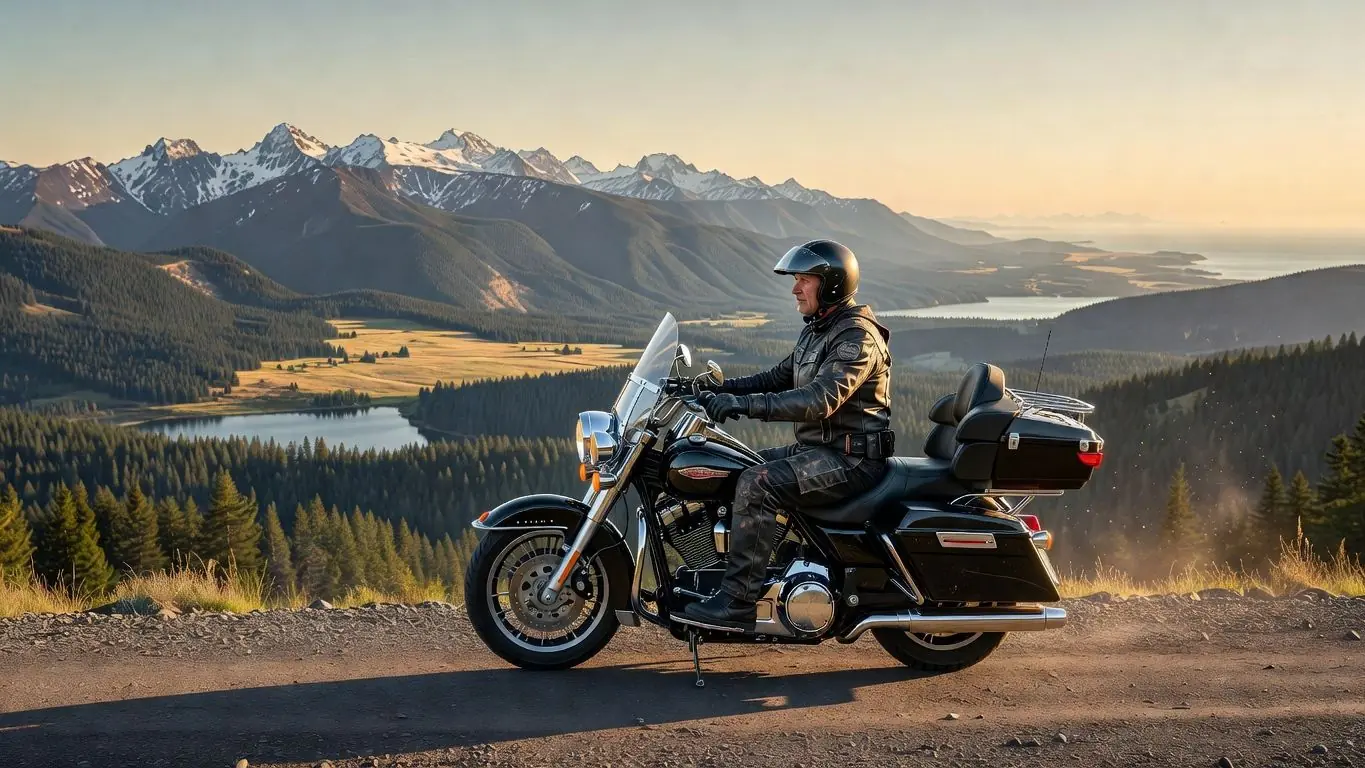
Safety is the paramount concern in motorcycle licensing, and Oregon law reflects this through strict requirements regarding protective gear. While the knowledge test focuses heavily on theoretical safety, understanding the legal requirements for gear is essential for both passing the exam and staying safe on the road. Oregon law mandates that all motorcycle operators and passengers must wear a helmet that meets specific federal safety standards. The Department of Transportation (DOT) certification is the minimum requirement, and the test will often ask you to identify what constitutes a compliant helmet. Beyond the helmet, the knowledge test emphasizes the importance of eye protection. If your motorcycle is not equipped with a windscreen, you are legally required to wear goggles or a face shield to protect your eyes from debris, wind, and insects. The test also covers the necessity of wearing appropriate clothing, such as long sleeves, long pants, and over-the-ankle boots, to minimize the severity of injuries in the event of a crash. Although these items may not always be legally mandatory for every single rider in every situation (with the exception of the helmet and eye protection), the exam strongly advocates for their use as best practices. The handbook excerpts from the AAMVA guidelines highlight that reducing crashes is a primary goal of education, and proper gear is a fundamental component of that safety framework. Candidates should be prepared to answer questions regarding the consequences of riding without these protections and the specific standards that make gear effective.
From permit to Motorcycle endorsement endorsement
Obtaining a motorcycle permit is merely the gateway to the ultimate goal: securing a full motorcycle endorsement on your driver's license. The transition from permit to endorsement involves a critical step that cannot be skipped: the skills test. While the written test evaluates your knowledge, the skills test evaluates your actual ability to control the motorcycle safely. This practical examination is required for all applicants, regardless of age or prior experience. During the skills test, an examiner will observe your performance in a controlled environment, assessing your ability to perform basic maneuvers such as starting and stopping, turning, shifting gears, and maintaining balance at low speeds. You will also be tested on your ability to execute emergency stops and swerve to avoid obstacles. The test is designed to ensure that you have the muscle memory and reflexes necessary to handle a motorcycle in traffic. Once you have held your permit for the required duration and successfully passed the skills test, you can return to the DMV to upgrade your license. This process involves paying the endorsement fee and having your license updated to reflect the new class. It is important to remember that the skills test is not a formality; it is a rigorous assessment of your riding competency. Failing the skills test does not mean you cannot try again, but it does mean you must continue to practice under the restrictions of your permit until you feel confident in your abilities. The endorsement signifies that you have met both the knowledge and practical requirements to operate a motorcycle legally and safely on Oregon roads.
Common pitfalls
Many applicants fail the Oregon motorcycle permit test not because they lack riding ability, but because they fall into common traps during the written exam. One of the most frequent pitfalls is misinterpreting the question due to rushing. The test consists of 25 questions, and while there is no strict, universally fixed time limit, the pressure to finish quickly can lead to careless errors. Candidates often skim the question and select the first answer that looks plausible, missing crucial qualifiers like "not," "always," or "except." Another common mistake is relying on anecdotal experience rather than the official handbook. What a rider has heard from friends or seen on the road may not align with the specific legal or safety standards tested by the state. For instance, a rider might believe that a certain maneuver is safe based on personal habit, but the test will require the answer that aligns with the official safety guidelines. Additionally, many applicants underestimate the importance of the "safety first" principle. In multiple-choice questions where two answers seem technically correct, the correct answer is almost always the one that prioritizes the highest level of safety, even if it seems overly cautious. Finally, failing to study the specific Oregon statutes is a major pitfall. While general motorcycle knowledge is helpful, the test is specific to Oregon laws, and assuming that rules are the same as in other states can lead to incorrect answers. Avoiding these pitfalls requires a disciplined study approach and a focus on the official materials.
How to study in 5 days
Preparing for the Oregon motorcycle permit test in just five days is entirely achievable with a structured and focused study plan. The key is to maximize your retention of the 25-question test format and the 80% passing threshold. Day 1 should be dedicated to reading the entire motorcycle operator handbook from cover to cover. Do not skim; instead, take notes on key concepts, laws, and safety procedures. Day 2 involves creating flashcards for specific numbers and rules, such as the minimum age (16), the permit validity (365 days), and helmet requirements. Focus on the "why" behind the rules to aid memory. Day 3 is for practice. Take multiple online practice tests that mimic the 25-question format. Analyze every incorrect answer to understand why you got it wrong. Day 4 should focus on weak areas identified during practice. Re-read the sections of the handbook that correspond to your mistakes. Pay special attention to questions about lane positioning and emergency maneuvers. Day 5 is for a final review and relaxation. Take one last practice test to build confidence, then stop studying a few hours before your exam to let your brain rest. This method ensures that you are not just memorizing answers but truly understanding the material, which is essential for both passing the test and becoming a safe rider. Remember, the goal is to reach the 20 correct answers needed to pass, so focus on quality over quantity in your study sessions.