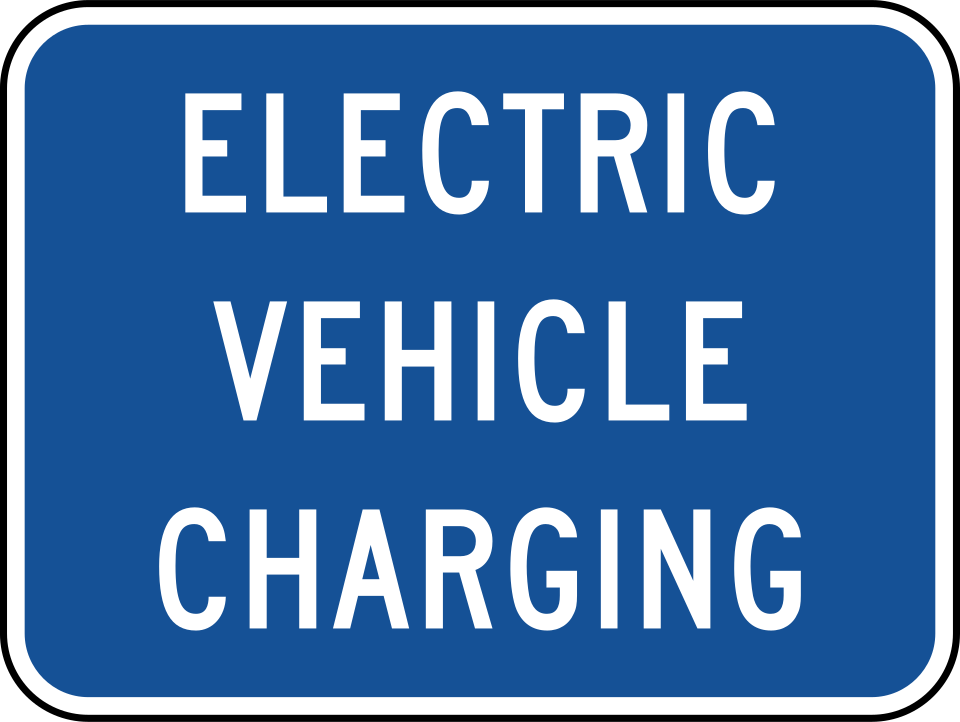
For the modern learner driver, the road is filled with familiar symbols: the red octagon of the stop sign, the yellow diamond of the warning, and the green rectangle of the guide. However, as the automotive landscape shifts toward electrification, a new player has entered the visual lexicon of the highway. The Electric Vehicle (EV) Charging Station sign is a distinctive guide sign, typically rectangular with a white background and black legend, often featuring a stylized plug icon or the letters "EV" alongside a lightning bolt. Unlike regulatory signs that command immediate action, this sign serves as a navigational aid, directing drivers to facilities where electric vehicles can replenish their battery. While it does not carry the same legal weight as a stop sign, understanding its placement, purpose, and the etiquette surrounding it is crucial for new drivers navigating an increasingly green infrastructure. This guide breaks down everything you need to know about the EV Charging sign, from its visual characteristics to how it appears on your permit test.
What It Means
Formally, the Electric Vehicle Charging Station sign is classified as a Guide Sign, not a Regulatory sign. Its primary definition is to provide advance notice and directional information to drivers regarding the location of public or private electric vehicle charging facilities. When you see this sign, it is informing you that a charging station is available nearby, often at a rest area, highway service plaza, or specific commercial location. For the driver, the required action is purely informational and navigational. If you are driving an electric vehicle and need to charge, this sign indicates that you should prepare to exit the highway or turn off the main road to access the facility. If you are driving a conventional internal combustion engine vehicle, the sign serves as a courtesy marker, indicating that the area is equipped for EVs, but it imposes no legal obligation on you to stop or change your route. It is important to distinguish this from a "No Parking" or "Reserved Parking" sign; the EV sign itself does not prohibit other vehicles from parking there unless accompanied by additional regulatory signage (such as "EV Charging Only" or "Tow Away Zone"). The sign simply points the way to the infrastructure.
Where You'll See It
EV Charging signs are strategically placed to maximize visibility for drivers who may be planning a long trip or are running low on battery charge. You will most commonly encounter these signs in the following contexts:
- Highway Guide Signs: On interstate highways and major state routes, you will often see these signs on overhead gantries or large roadside panels. They are frequently grouped with other service signs indicating gas stations, food, lodging, and hospitals. In these instances, the sign usually includes a distance marker (e.g., "Next Exit 2 Miles") to help drivers plan their route.
- Rest Areas and Service Plazas: As states upgrade infrastructure, EV charging stations are increasingly located within rest areas. The signs here are often placed at the entrance to the rest area or on the approach ramps, ensuring that drivers can easily locate the chargers upon arrival.
- Commercial Zones: In urban and suburban environments, you will see these signs in parking lots of shopping centers, grocery stores, and office complexes. These are often smaller, post-mounted signs directing drivers to specific rows of parking spots equipped with chargers.
- On-Street Parking: In some municipalities, EV charging spots are located on public streets. Here, the sign may be mounted on a pole near the curb, often accompanied by a time-limit sign or a fee schedule.
What to Do When You See It
When a learner driver encounters an EV Charging sign, the appropriate response depends entirely on the driver's vehicle type and immediate needs. If you are driving an electric vehicle and your battery level is low, or if you are planning a long journey and wish to top up, this sign is your cue to prepare for an exit. You should check your navigation system or vehicle dashboard to confirm the station is operational. If you decide to stop, signal your intention to exit or turn early, check your mirrors and blind spots, and proceed to the designated area. Once parked, ensure you are in a spot specifically marked for charging if other spots are available, to avoid blocking other EV drivers. If you are driving a gasoline or hybrid vehicle, the sign requires no specific action other than awareness. You may ignore the sign and continue on your route. However, if you are in a parking lot and see this sign, you should be mindful of the designated spots. Even if there is no "No Parking" sign explicitly attached to the EV sign, it is a matter of courtesy and often local regulation to avoid parking in a charging spot if your vehicle does not need to charge, as this can cause range anxiety for EV owners. Always look for supplementary signage that clarifies parking restrictions.
Common Pitfalls
Learner drivers often make several mistakes when interpreting EV charging signage, primarily due to confusion between guide signs and regulatory signs. The most common error is assuming the sign prohibits non-EV vehicles from parking. As mentioned, the guide sign itself is informational. A driver might see an EV sign and refuse to park in a spot, even if the lot is full and the spot is empty, thinking it is illegal. Conversely, a driver might park in a charging spot with a gas car, assuming the sign is just a suggestion. This is a critical distinction: the prohibition comes from a separate regulatory sign (e.g., "EV Only"), not the guide sign alone. Another pitfall is failing to plan ahead. Because these signs are often placed at highway exits, a driver might miss the exit if they are not paying attention, leading to a dangerous last-minute lane change. Learners should be taught to scan for service signs early and make lane changes well in advance. Additionally, some drivers confuse the EV sign with a warning sign for high voltage or electrical hazards. It is important to understand that the sign indicates a service facility, not a danger zone, though standard electrical safety precautions apply once the vehicle is plugged in.
Permit-Test Context
On the learner's permit written test, questions regarding the EV Charging sign are becoming increasingly common. The test usually focuses on two main areas: identification and etiquette. You may be shown an image of the sign and asked to identify its meaning. The correct answer will always relate to "Electric Vehicle Charging Station" or "EV Charging Location." Be wary of distractors that suggest it is a warning for electrical hazards or a regulatory sign prohibiting all non-EV traffic. Scenario-based questions are also frequent. For example, the test might ask: "You see a sign indicating an EV charging station ahead. What should you do if you are driving a gasoline-powered car?" The correct answer is typically "Continue driving; the sign is for information only." Another potential question involves parking etiquette: "Is it legal to park in a spot marked with an EV charging sign if you are not charging your vehicle?" The answer depends on the presence of additional signs, but the general rule tested is that you should not block charging spots if you do not need them. Understanding that this is a guide sign, not a regulatory sign, is the key to answering these questions correctly.