The No Pedestrians Road Sign: A Comprehensive Guide for Learner Drivers
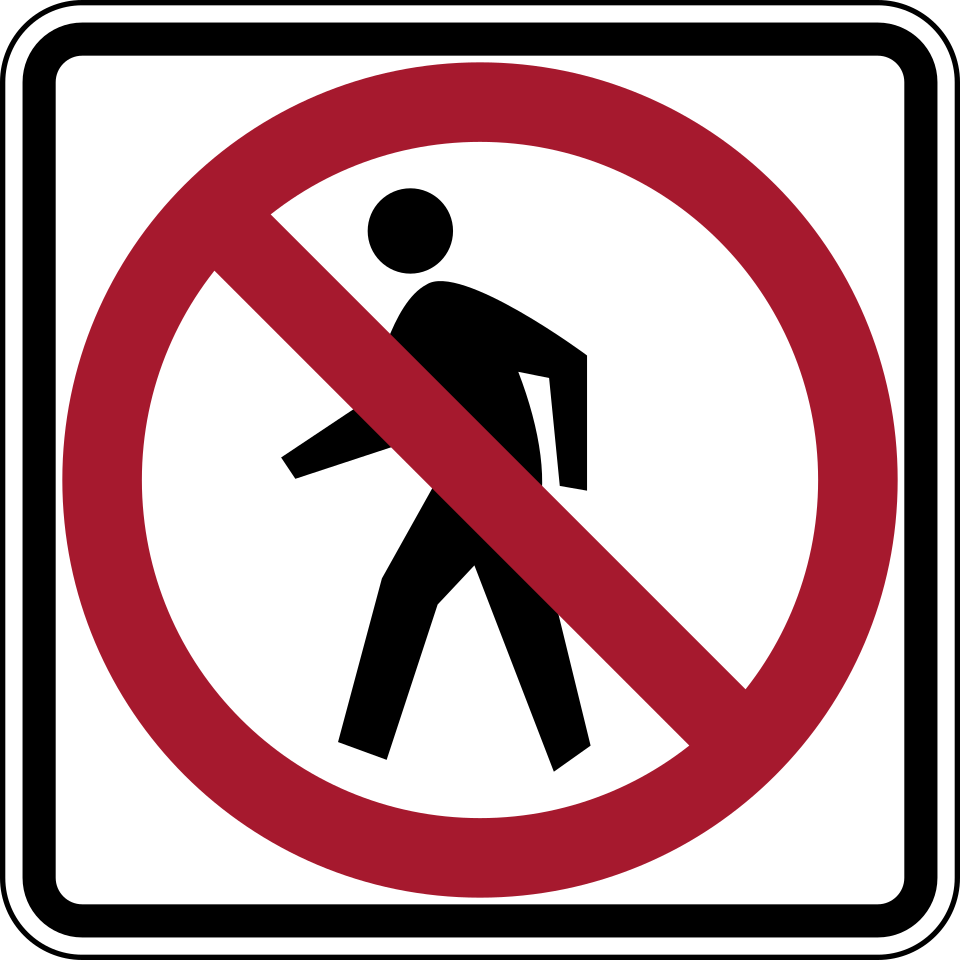
For learner drivers navigating the complex web of traffic regulations, recognizing and understanding regulatory signs is paramount to safety. Among these, the "No Pedestrians" sign stands out as a critical directive designed to separate vehicular traffic from foot traffic in high-risk zones. Visually, this sign is unmistakable: it features a white rectangular background with bold black lettering and often includes a symbolic graphic of a walking figure crossed out by a red diagonal slash. Unlike warning signs that use yellow diamonds or regulatory stop signs that use red octagons, this sign adheres to the standard rectangular regulatory format, communicating a strict prohibition rather than a suggestion or a warning. Its primary meaning is absolute: pedestrians are forbidden from entering the roadway or specific area where the sign is posted. For a new driver, seeing this sign should trigger an immediate mental checklist: verify that the lane is clear of foot traffic, understand that the area is exclusively for vehicles, and prepare to drive with heightened awareness, knowing that while pedestrians are prohibited, their presence would constitute a severe violation and a significant safety hazard.
What it means
Formally, the "No Pedestrians" sign is a regulatory device that prohibits pedestrians from walking on the roadway, shoulder, or specific path where the sign is installed. In the context of the Manual on Uniform Traffic Control Devices (MUTCD), while there is no single sign code exclusively named "No Pedestrians" in the same way "Stop" is R1-1, this prohibition is typically achieved through the R9-5 series ("No Pedestrians") or by combining the standard "No Pedestrians" symbol (a walking figure with a red slash) with text panels. The MUTCD categorizes this under regulatory signs, which are designed to inform road users of specific traffic laws or regulations that must be obeyed. The legal implication is clear: once a pedestrian crosses the threshold of the area marked by this sign, they are violating traffic laws. For the driver, the meaning is twofold. First, it defines the legal boundary of the roadway; second, it establishes a zone of exclusivity for motor vehicles. However, drivers must remember that the sign does not grant immunity. Even if a pedestrian is illegally present, the driver's duty of care remains. The sign signifies that the area is not designed for walking, often due to high speeds, lack of sidewalks, or proximity to hazardous infrastructure like tunnels, bridges, or construction zones. The driver action required is to maintain the flow of traffic while remaining vigilant for any unauthorized entry, understanding that the sign is a preventative measure to reduce conflict points between cars and people.
Where you'll see it
Understanding the typical placement contexts of the "No Pedestrians" sign helps learner drivers anticipate where these zones exist. You will most frequently encounter this sign in areas where the separation of pedestrians and vehicles is critical for safety due to high-speed traffic or physical constraints. Common locations include the approaches to and the interiors of tunnels and underpasses, where there are no sidewalks and the air quality or lighting may be poor. Similarly, long bridges and overpasses often feature these signs, as the shoulders are narrow and the drop-offs can be fatal. Construction zones are another frequent location; when a road is closed to pedestrians to allow for heavy machinery operation, these signs are posted at the perimeter. You may also see them on controlled-access highways (freeways and expressways) where pedestrian access is strictly prohibited by law, often placed at the beginning of the highway ramp or at intervals along the shoulder. In some urban environments, specific lanes designated for high-occupancy vehicles (HOV) or bus rapid transit (BRT) systems may have these signs to prevent pedestrians from crossing between lanes. Additionally, you might find them near railroad crossings where walking on the tracks is illegal, or in industrial zones where heavy truck traffic is the norm. The placement is usually strategic, appearing well before the restricted area to give pedestrians ample time to turn back and to inform drivers that they are entering a pedestrian-free zone.
What to do when you see it
When a learner driver spots the "No Pedestrians" sign, the immediate response should be a shift in driving mindset from "sharing the road" to "exclusive vehicle operation." First, scan the environment. Even though the sign prohibits pedestrians, do not assume the road is empty. Look for maintenance workers, emergency responders, or individuals who may have entered the area illegally. Your speed should be adjusted to the posted limit, but with the understanding that if a pedestrian does appear, they are likely confused or in distress, requiring a calm and controlled reaction rather than panic. Second, do not stop to pick up a pedestrian who has entered the restricted zone unless there is an immediate life-threatening emergency. Stopping in a no-pedestrian zone can disrupt traffic flow and create a new hazard. Instead, if a pedestrian is present, slow down, signal your intent, and proceed with extreme caution, allowing them to move to safety if possible without stopping the vehicle in a dangerous position. Third, be aware that this sign often accompanies other regulatory signs, such as "No Stopping" or "No Parking," reinforcing the idea that this is a high-flow, high-risk corridor. If you are driving a commercial vehicle or a large truck, pay extra attention, as your blind spots are larger, and the consequences of a collision in a pedestrian-free zone are often more severe due to the lack of protective infrastructure like sidewalks.
Common pitfalls
Learner drivers often fall into several traps when encountering the "No Pedestrians" sign. The most common pitfall is the assumption of absolute safety. Drivers may see the sign and relax their vigilance, believing that because pedestrians are banned, they can drive without looking for them. This is a dangerous misconception; the sign prohibits the pedestrian, but it does not guarantee their absence. Another frequent error is misinterpreting the sign as a suggestion rather than a law. Some drivers may think, "It's just a sign, people walk here all the time," and fail to report or react appropriately to unauthorized pedestrians. Additionally, learners sometimes confuse this sign with a "Yield to Pedestrians" sign. The distinction is vital: "Yield" means you must give way; "No Pedestrians" means they should not be there at all. Confusing the two can lead to hesitation or inappropriate stopping in a zone where stopping is prohibited. Furthermore, some drivers mistakenly believe that the sign applies only to the sidewalk, not the shoulder. In reality, on highways and bridges, the shoulder is part of the restricted area. Finally, a critical pitfall is failing to recognize that the sign often marks the beginning of a zone where emergency stopping is also restricted. Drivers may pull over to the side to check a map or take a break, not realizing they are violating the same regulatory intent that keeps pedestrians out.
Permit-test context
In the context of the learner's permit written test, the "No Pedestrians" sign is often used to assess a candidate's understanding of regulatory signs and their ability to distinguish between different types of traffic control devices. Questions may present an image of the sign and ask for its meaning, with distractors including "Pedestrians must yield," "Pedestrian crossing ahead," or "Sidewalk ends." The correct answer will always emphasize the prohibition of pedestrian entry. Test takers may also encounter scenario-based questions, such as: "You see a No Pedestrians sign on a bridge. A pedestrian is walking on the shoulder. What should you do?" The correct response usually involves slowing down, maintaining lane position, and not stopping unless necessary for safety, while recognizing the pedestrian is in violation. Another common test format involves identifying the sign's shape and color. Candidates must know that it is a white rectangle with black text/symbols, distinguishing it from the yellow diamond of a warning sign. The test may also ask about the legal implications, such as whether a driver is liable if they hit a pedestrian in a no-pedestrian zone. The answer typically reinforces that while the pedestrian is at fault for entering, the driver still has a duty to exercise due care. Understanding these nuances is crucial for passing the permit exam and, more importantly, for developing the safe driving habits required for the road.